Niagara Region, Ontario
Niagara winery & estate real estate, represented with care.
Winery, vineyard and estate real estate agents for the Niagara region. Iconic properties that deserve a strategy built around their unique story, market, and legacy.

Niagara region right now
Niagara region, September 2026
Residential only, from MLS data the team pulls weekly. Change vs. the same month last year.
- Home sales
- 554-3%
- Avg freehold price
- $733K+13.2%
- Days on market
- 47 days
- Months of inventory
- 7.9
Winery listings
Ontario wineries we are representing
Operating wineries with their vineyards, buildings and business, each with its own confidential site. Sold ones stay here as proof of what we sell.
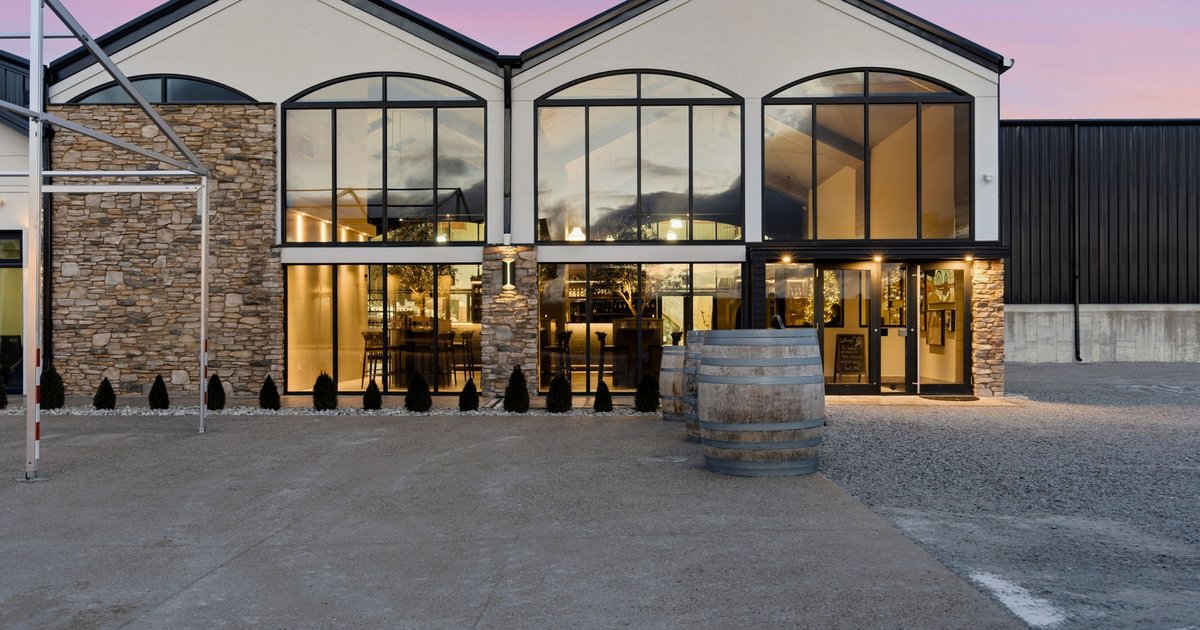 For saleNiagara-on-the-LakeBig Head WinesAn award-winning operating winery on 30 acres in Niagara-on-the-Lake.Offered at $12,000,000
 For saleSt. Williams · Norfolk CountyBurning Kiln WineryNorfolk County's best-known winery on 92 acres, turnkey with its guest house and event spaces.Offered at $5,900,000
 For saleAnnan · Grey CountyCoffin Ridge WineryA winery on the ridge above Georgian Bay: 80 acres, vineyard, taproom and residences.Offered at $4,800,000
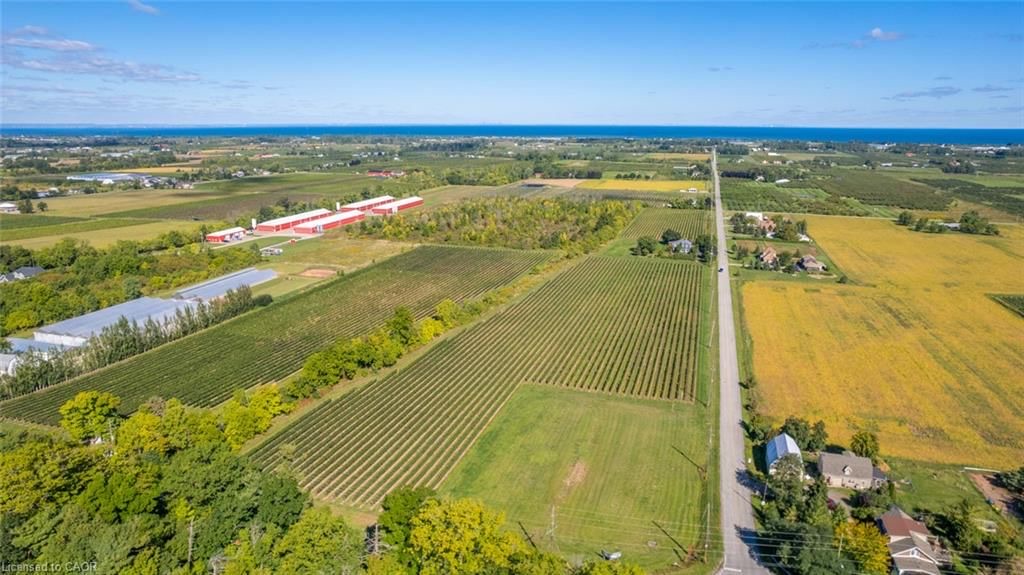 For saleTwenty Valley · Lincoln3811 King StreetA 38-acre vineyard estate on the Wine Route: 19 acres planted to premium varietals, approved for an estate winery and event centre.Offered at $2,900,000
Recently sold by Found Spaces
 SoldBeamsville Bench · LincolnThe Good Earth Food & Wine Co.A winery, vineyard and restaurant on the Beamsville Bench. Our team has been on three sides of its sales: the seller and the buyer in 2022, and the sellers again in 2024.Sold by Found Spaces
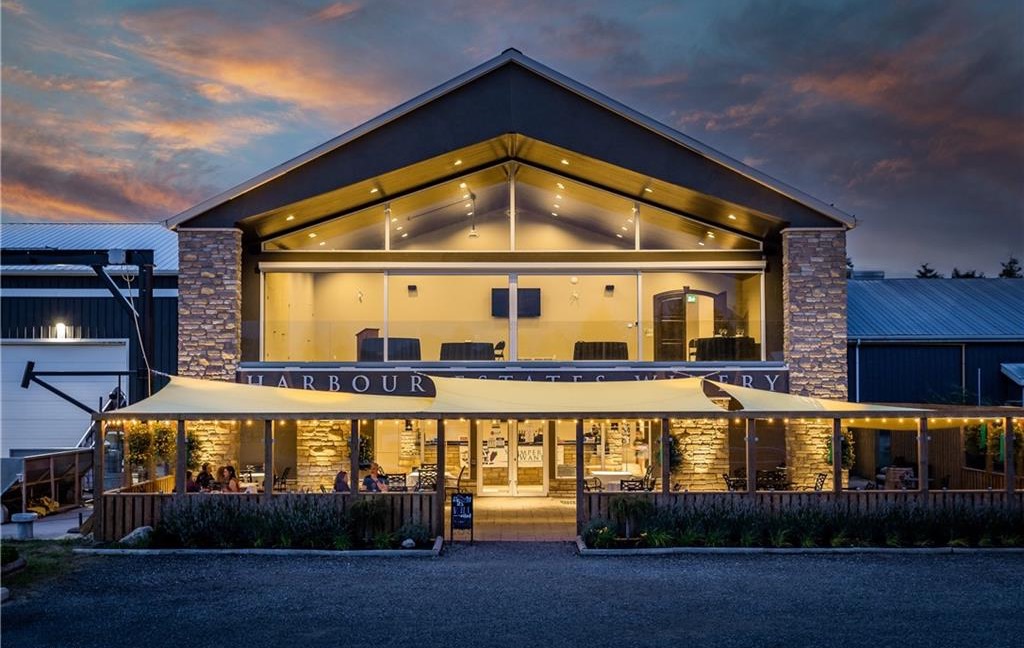 SoldJordan Harbour · LincolnHarbour Estates WineryA 30-acre waterfront winery and vineyard on the east shore of Jordan Harbour, in the Creek Shores appellation.Sold by Found Spaces
Buying in Niagara
New condos, finished and ready
Some of Niagara's newest condos are already built and ready to move into. Tell us what you're after.
See what's readyThe estate market, in numbers
Niagara homes over $1.5 million
Estate, vineyard and landmark properties trade at the top of the market. Sales and new listings above $1.5M across all eleven Niagara municipalities we report on, month by month, from MLS data updated weekly.
- Sales, last 52 weeks
- 166
- Share of Niagara sales
- 2.6%
- New listings
- 900
- Sell-through
- 18%
October 12, 2025 to October 10, 2026. Residential sales by asking-price band; commercial and land excluded. Sell-through is sales ÷ new listings.
All Niagara market reports| Month | Sales | New listings |
|---|---|---|
| Sep 2026 | 22 | 87 |
| Aug 2026 | 16 | 74 |
| Jul 2026 | 21 | 97 |
| Jun 2026 | 23 | 110 |
| May 2026 | 13 | 105 |
| Apr 2026 | 16 | 77 |
| Mar 2026 | 8 | 76 |
| Feb 2026 | 6 | 66 |
| Jan 2026 | 7 | 40 |
| Dec 2025 | 10 | 31 |
| Nov 2025 | 9 | 62 |
| Oct 2025 | 11 | 54 |
Specialized representation
Wineries & vineyards
Operating wineries, production facilities, and vineyard land across Niagara.
Estate properties
Acreage, lakeside, and landmark estate homes in Niagara-on-the-Lake and beyond.
Discreet marketing
Quiet, qualified buyer outreach when discretion matters.
Niagara listings
Live MLS® inventory — refreshed daily.
Price range
$0 – $5M
More filters
Recent listings
Listings displayed courtesy of participating brokerages. MLS® and REALTOR® data refreshed daily.
Every Niagara market we work in
Niagara is eleven municipalities, not one. Each has its own monthly report with sales, prices, days on market and inventory, because St. Catharines and Niagara-on-the-Lake are different markets and a single regional average hides that.
| Municipality | Home sales | Avg freehold price | Days on market | For sale | |
|---|---|---|---|---|---|
| St. Catharines | 114 | $635,227 | 33 | 840 | Report |
| Niagara Falls | 98 | $611,141 | 45 | 774 | Report |
| Welland | 69 | $537,493 | 45 | 511 | Report |
| Fort Erie | 58 | $623,074 | 57 | 561 | Report |
| Niagara-on-the-Lake | 44 | $1,621,406 | 103 | 406 | Report |
| Grimsby | 43 | $855,421 | 26 | 232 | Report |
| Lincoln | 33 | $830,722 | 45 | 205 | Report |
| Port Colborne & Wainfleet | 32 | $733,559 | 40 | 339 | Report |
| Thorold | 26 | $521,513 | 42 | 227 | Report |
| Pelham | 22 | n/a | n/a | 173 | Report |
| West Lincoln | 15 | $794,464 | 48 | 110 | Report |
September 2026. Residential sales only; average price covers freehold sales. Each municipality has its own monthly report, updated as the data lands.
Frequently asked